

CFDs, explained with the risks first.
A CFD lets you trade the price of a market without owning it. It can also multiply your losses. Here is how it works, in plain words.
CFDs carry a high risk of loss.
Most retail accounts lose money trading CFDs. Leverage works both ways: it can grow a loss as fast as a gain. Only trade with money you can afford to lose, and practise on a demo account first. Read our risk disclosure.
You never own the asset. You trade its price.
You can profit or lose when prices rise or fall.
A small deposit controls a larger position.
A small move against you can be a large loss.
A contract on the price, not the asset.
CFD stands for contract for difference. You and Uprime Capital LTD agree to exchange the difference between the price when you open a trade and the price when you close it. You never take delivery of shares, gold or coins. That is why every market on Uprime Capital LTD is a CFD.
- You trade a price, not the asset itself
- No voting rights or ownership of the asset
- Dividends on share CFDs may be adjusted: long positions are credited and short positions are debited
- One account for forex, metals, indices and more
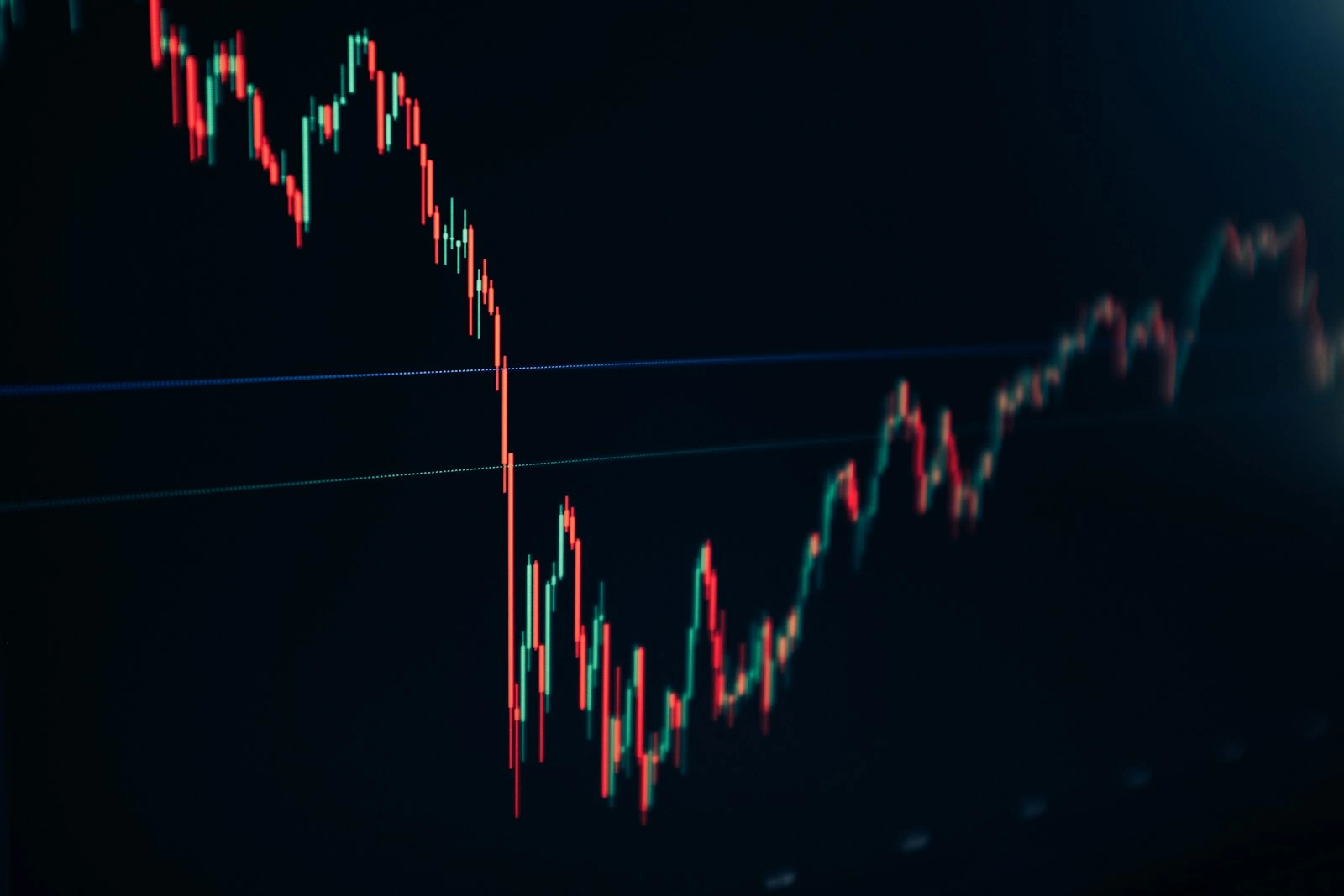
You can trade rising or falling prices.
Long (buy)
You buy a CFD when you think the price will rise. You gain if it rises. You lose if it falls.
Short (sell)
You sell a CFD when you think the price will fall. You gain if it falls. You lose if it rises.
Either can lose
Being right about direction is not enough. Timing, costs and size all matter, and a wrong call costs money.
A small deposit, a large position.
Margin is the deposit you set aside to open a position. Leverage is the ratio between the position size and that margin. Higher leverage means a smaller price move can wipe out your margin. Maximum leverage on Uprime Capital LTD is up to 1:500*, depending on your jurisdiction and instrument. For retail clients in some regions the limit is lower, for example 1:30 on major forex pairs, 1:20 on indices and gold, 1:10 on other metals and energies, and 1:2 on crypto.
- Margin is a deposit, not a fee
- A margin call or stop-out can close your trades: a margin call warns you when your margin level falls to 100%, and positions start to close at a 50% stop-out level
- Lower leverage gives your trades more room
- Learn the basics in our leverage guide
How leverage magnifies a loss.
An example only, with made-up numbers. It is not a forecast and real results vary by instrument.
| Price moves against you by | Position value | Your loss | Share of $500 margin |
|---|---|---|---|
| 0.5% | $50,000 | $250 | 50% |
| 1% | $50,000 | $500 | 100%: margin gone |
| 2% | $50,000 | $1,000 | Loss limited to your account balance (negative balance protection) |
Example: you open a long CFD worth $50,000 at 1:100 leverage, using $500 margin. A 1% fall in price is a $500 loss, which is your whole margin. The same 1% rise would be a $500 gain before costs. A $500 deposit moved like $50,000.
What a CFD trade costs.
Figures are examples, vary by instrument and account, and change with the market.
Spread
The gap between the buy and sell price. Examples: from 1.2 pips on Standard, 0.6 on Pro, 0.0 on VIP.
Overnight financing
A charge or credit for positions held past the daily cut-off. Cut-off is 22:00 UTC. Rates are the benchmark rate plus or minus a markup that depends on your account.
Other costs
Currency conversion is 0.5%. Inactivity is $10 a month after 12 months with no trading and no login.
Tools that help you limit a loss.
Stop-loss
An order that closes a trade at a level you choose. Set it when you open. It may not fill at the exact price in fast markets (slippage). Guaranteed stop-loss orders are not offered.
Take-profit
Closes a trade when it reaches a gain you planned for.
Position size
Risk a small share of your balance on each trade. Smaller size means smaller losses.
What you can trade as CFDs.
Instrument lists and availability vary See each market page for the instruments..
How a CFD differs from owning the asset.
| CFD | Owning the asset | |
|---|---|---|
| Ownership | None: you trade a price | You own it |
| Direction | Long or short | Mostly long |
| Leverage | Yes, which magnifies losses | Usually none |
| Holding costs | Spread, commission, overnight financing | Purchase and storage costs |
| Biggest risk | Losing more than expected, fast | Price falls, but you keep the asset |
Who CFDs suit, and who they do not.
May suit you if
- You understand leverage and can explain it
- You can afford to lose the money you trade
- You will follow a written plan and use stop-losses
- You will check positions often
Probably not for you if
- You need the money for bills or savings
- You hope for fast or sure profit
- You do not fully understand how a CFD works
- You would borrow to trade
Four careful steps.
Learn
Read the leverage guide and our education pages.
Practise on a demo
Use virtual funds. No deposit, no risk to your money.
Open and verify
Choose an account. Min deposit examples: $250, $1,000, $10,000.
Start small
Use low leverage, a stop-loss and a small size.
Common questions.
Risk warning. CFDs are complex instruments and come with a high risk of losing money rapidly due to leverage. Make sure you understand how CFDs work and whether you can afford the high risk of losing your money.
Open your account.
It takes a few minutes online. Start with a demo if you want to look around first.